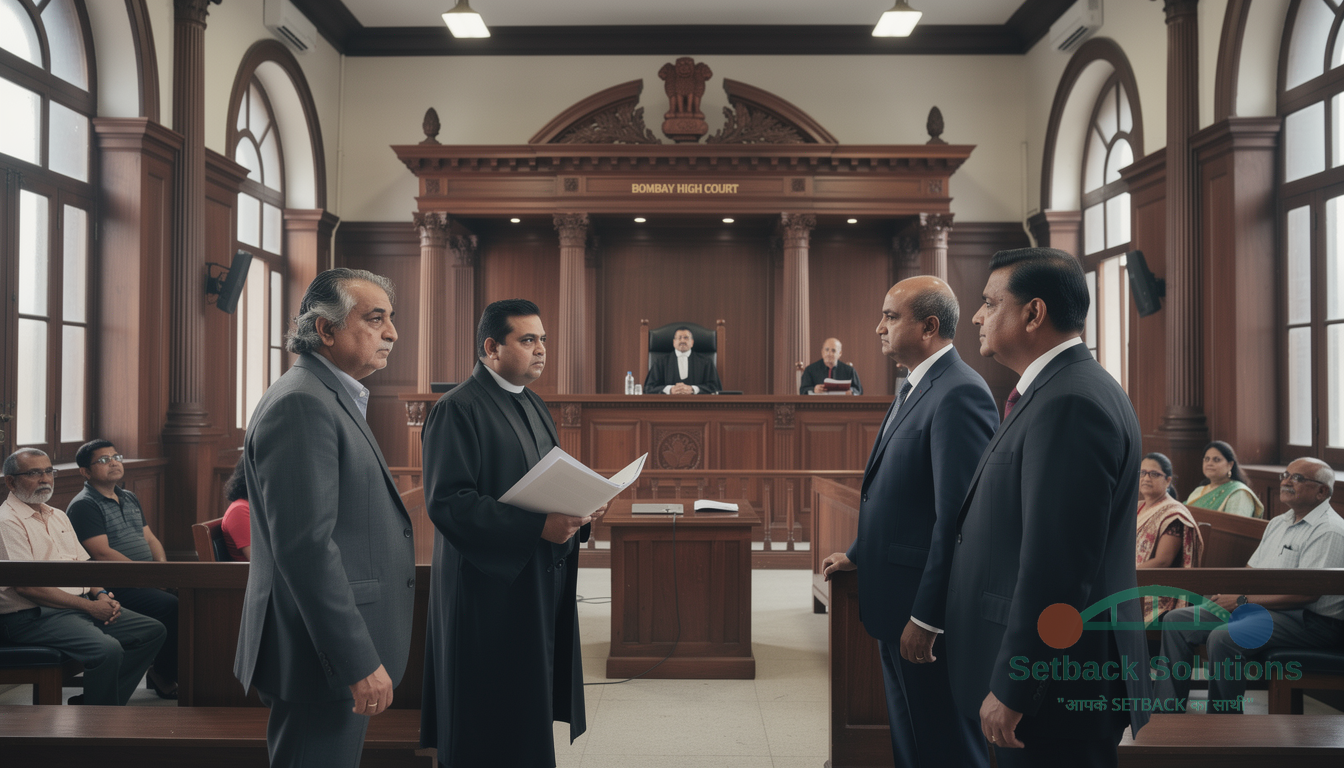
Appeal dismissed — ruling against Munjee Nathoobhoy & Company and Others (Petitioners)
In Short
Three companies belonging to the Reunion Group had been renting a part of Amar Building in Mumbai for decades, which was later bought by the Reserve Bank of India. The RBI tried to evict the tenants, arguing that it urgently needed the space for security reasons. The court agreed with the RBI and dismissed the tenants' challenge, allowing the eviction to go ahead.
The Parties
Party A: Munjee Nathoobhoy & Company Pvt. Ltd., Reunion Private Limited, and Reunion Engineering Company Private Limited
Party B: Reserve Bank of India and The Estate Officer, Reserve Bank of India
Advocates & Judges
For Party A: Learned Advocate Mr. P.S. Colabawala with Learned Advocate Mr. Samkit Shah and Learned Advocate Mr. Farhad Vakil
For Party B: Learned Advocate Mr. Virendra Tulzapurkar, Senior Advocate with Learned Advocate Mr. Parag Sharma, Learned Advocate Ms. Aditi Pathak, Learned Advocate Ms. Megha More, Learned Advocate Ms. Twinkle Kalla and Learned Advocate Ms. Juhi Bhayani
Judge(s): Hon'ble Justice Sandeep V. Marne
What the Case Was About
The tenants had occupied a section of the fourth floor in Amar Building in Mumbai since the 1930s before the Reserve Bank of India purchased the building in 1947. Over the years, attempts to resolve the occupancy through consent terms did not lead to the tenants moving out. Eventually, the RBI issued termination notices and started eviction proceedings under special public premises laws, claiming that security reports pointed to serious risks and that the bank genuinely needed the space for its own use. The tenants fought back, arguing that the security reports were old, flawed, and used merely as an excuse to kick them out, but lower authorities ruled against them and ordered their eviction.
Judgment Date
26 October 2026
The Outcome
The court dismissed the petitions filed by the tenant companies and upheld the eviction orders passed against them. The court found that the RBI had valid reasons related to security and its own needs to reclaim the premises.
What the Court Looked At
- The court noted that the RBI initiated eviction proceedings based on official security reports highlighting risks in the building.
- It considered the argument that the security reports were stale, but found that safety concerns remained relevant.
- The court observed that public institutions like the RBI are entitled to take necessary steps to secure their premises against potential threats.
- It rejected the tenants' claims that the eviction notices were issued with bad intentions or purely for commercial motives.
"The security reports clearly established the necessity of reclaiming the premises for genuine safety requirements."
What This Means For You
If you are renting property from a government body or a major public institution, you must realize that security and official needs carry immense legal weight. In this case, the tenant companies spent years fighting eviction, but the court ultimately prioritized the security assessments presented by the institution over long-term tenancy rights. If you find yourself locked in a dispute over commercial or residential property where a powerful landlord invokes safety or public necessity, ordinary arguments about old tenancy agreements may not be enough to save you. Setback Solutions can help you understand your options and coordinate next steps when you are facing difficult property disputes.
You Still Have Options
If you are facing a sudden eviction notice, lost your case in the lower courts, or feel overwhelmed by a powerful landlord, it is not the end of the road. You can still explore alternative paths, seek a second opinion on your case file, or consult non-judicial experts to understand what moves you can make next. Reach out to Setback Solutions for plain-language help and coordination to figure out your options. Please remember that Setback Solutions is not a law firm, does not provide legal advice, and never guarantees any specific outcome.