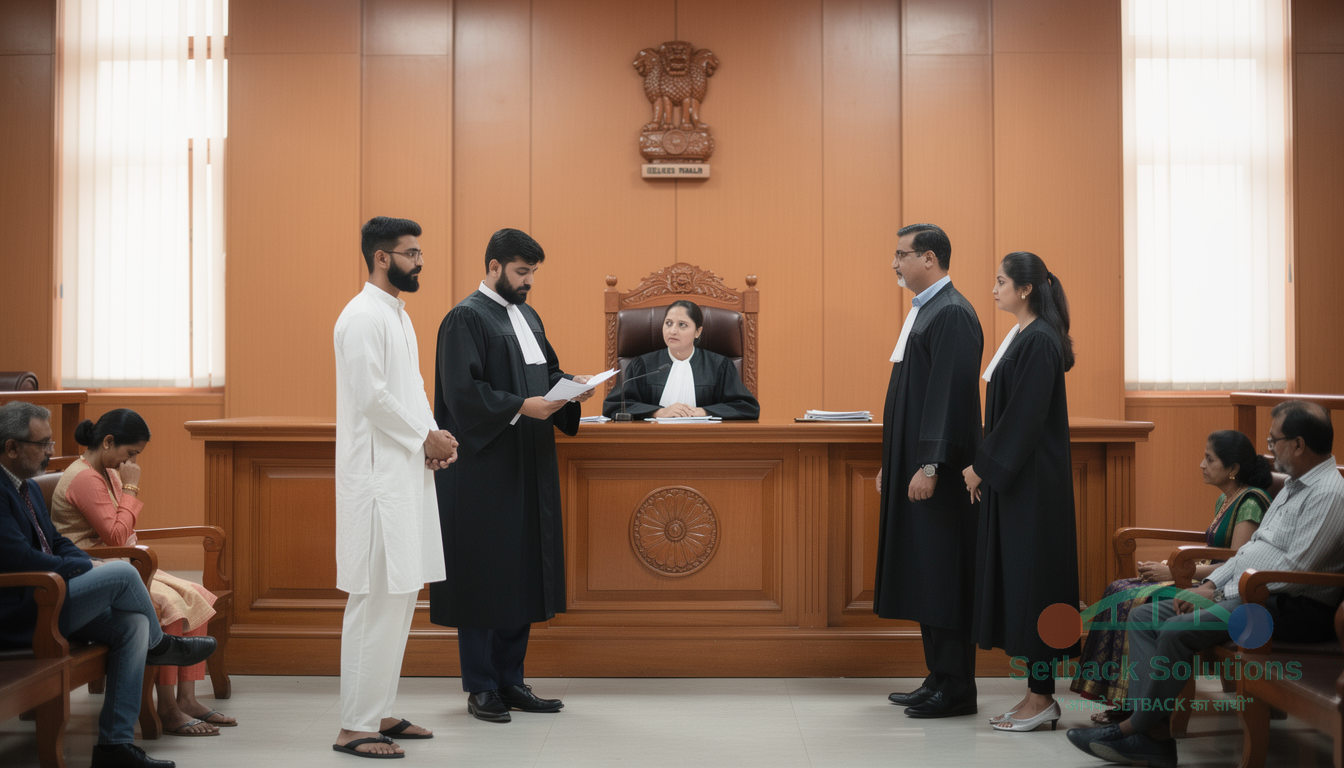
Appeal dismissed — ruling against Mohammad Shahban Wani (Petitioner)
In Short
A man accused of helping his late father sell a large commercial quantity of charas sought regular bail from the High Court. Because phone tower records and call logs strongly connected him to the main drug transporters at the exact time of the crime, the court refused to release him.
The Parties
Party A: Mohammad Shahban Wani
Party B: Union of India through Narcotics Control Bureau
Advocates & Judges
For Party A: Learned Advocate Mr. R.S. Rai, Learned Advocate Mr. Anurag Arora, and Learned Advocate Mr. Arjun S. Rai
For Party B: Learned Advocate Mr. Rajiv Sharma, Learned Advocate Ms. Indu Bala Sharma, and Learned Advocate Mr. Amrit Kashyap
Judge(s): Hon'ble Justice Shalini Singh Nagpal
What the Case Was About
Back in February 2026, anti-narcotics officers stopped a bus in Punjab and caught a couple carrying nearly 7 kilograms of charas. During questioning, that couple claimed they bought the illegal drugs from two men in Jammu and Kashmir: a father and his son, Mohammad Shahban Wani. Following his arrest, the son approached the High Court asking for regular bail while awaiting trial, arguing that the police only had a basic statement from the co-accused and nothing was found directly in his own hands.
Judgment Date
31.10.2026
The Outcome
The court dismissed the bail petition, ruling that the strict legal rules for drug offenses prevented the accused from being released while the case proceeds.
What the Court Looked At
- The arresting agency recovered a commercial quantity of nearly 7 kilograms of charas from the travelling co-accused.
- The accused argued he was only implicated through a co-accused's statement and that his father had passed away in custody.
- The anti-narcotics bureau presented call detail records showing constant communication between the father and the main buyer.
- Tower location data showed that the mobile numbers of the accused, his father, and the buyer were active at the exact same location right before the drug transport took place.
- The court noted that strict legal rules require a judge to have reasonable grounds to believe an accused is innocent before granting bail in major drug cases, which could not be established here.
"Given the allegations against the petitioner, this Court is not in a position to record a satisfaction that there are reasonable ground for believing that petitioner is not guilty of the offence..."
What This Means For You
This case shows that digital footprints like phone locations and call logs can easily outweigh the simple argument that police found no drugs directly in your hands. When electronic evidence places you right next to co-accused individuals during a major crime, courts take a very stern view under strict narcotics laws. If you or someone you care about is facing severe drug charges and struggling to understand how electronic evidence or strict bail rules affect your defense, Setback Solutions can help you make sense of your options and coordinate your next steps in plain, everyday language.
You Still Have Options
If you are facing a denied bail plea, stuck behind bars on a serious narcotics charge, or feeling overwhelmed by complex court documents, please remember it is not the end of the road. You can still explore alternative legal strategies, seek a second opinion, or consult with new counsel to look at the evidence from a fresh perspective. You can reach out to Setback Solutions to help you understand your options and coordinate your next steps with calm, clear guidance. Please note that Setback Solutions is not a law firm, does not provide legal advice, and never promises any specific court outcome.